🐾 10 Common Puppy Training Mistakes (and How to Avoid Them)
Bringing home a puppy is one of life’s most joyful moments—but let’s be honest, it’s also one of the most overwhelming. That fluffy bundle of energy is counting on you to help them learn how to live in a human world, and that’s a big job! At Wiggle Butt Academy, we believe that great training starts with kindness, patience, and science-backed strategies. But even the most loving pup parents can accidentally fall into some common training traps.
Let’s take a look at the 10 most common puppy training mistakes we see—and how to avoid them so your pup grows into the calm, confident companion you dream of. 🐶✨
1. Starting Too Late
We hear this all the time: “They’re still little—I’ll start training when they’re older.” But here’s the truth: early learning matters. A puppy’s brain is like a sponge between 6 and 16 weeks old, making it the prime window for socialization and learning. Waiting too long can make behavior issues harder to address later.
WBA Tip: Start training the moment your pup comes home. It doesn’t have to be formal—just rewarding calm behaviors, creating structure, and setting gentle boundaries.
2. Relying Too Heavily on Punishment
Puppies don’t come pre-programmed knowing what “no” means. If punishment is your go-to strategy (yelling, leash pops, or rubbing their nose in accidents—please don’t!), you might be creating fear instead of understanding.
WBA Tip: Focus on what you want them to do instead of what you don’t. Positive reinforcement helps your pup connect the dots in a joyful, safe way. That means more cooperation and less conflict.
3. Inconsistent Rules
It’s confusing for puppies when “sometimes” they’re allowed on the couch, but “sometimes” they’re not. Or when one person in the house says “down” and another says “off.” Dogs thrive with consistency and routine.
WBA Tip: Create family-wide agreements about rules and cues. Everyone should use the same language and reward the same behaviors. Predictability helps pups feel secure.
4. Not Managing the Environment
Puppy-proofing isn’t just about hiding your shoes (although, yes—do that too!). Leaving your pup to wander freely through the house sets them up for mistakes like chewing, potty accidents, or counter surfing.
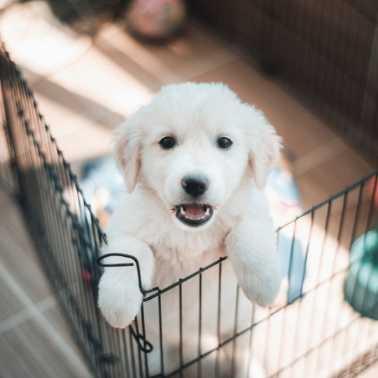
WBA Tip: Use tools like baby gates, pens, and crates to create safe zones. Management isn’t forever—it’s a short-term support system while your pup learns how to make good choices.
5. Expecting Too Much, Too Soon
It’s easy to get frustrated when your puppy isn’t “getting it” right away. But remember: they’re babies! Their brains and bodies are still developing, and learning takes time.
WBA Tip: Celebrate small wins. Break behaviors into baby steps and reward progress. A five-second “stay” is a big deal for a wiggly pup—don’t rush it!
6. Skipping Socialization
Many people think socialization means “meet all the dogs at the park.” But true socialization is about positive, controlled exposure to the sights, sounds, smells, people, and objects of everyday life.
WBA Tip: Socialization doesn’t mean flooding your puppy with too much at once. It means creating positive experiences with new things. Gentle exposure builds confidence—overwhelm builds fear.
7. Inconsistent Potty Training
Puppy potty training isn’t just about taking them outside—it’s about timing, supervision, and reinforcement. If your puppy is having regular accidents, something in the plan needs to shift.
WBA Tip: Take them out after naps, meals, and play. Reward immediately after they go potty outside (not once they’re back in the house). And always supervise indoors until they’re fully trained.
8. Forgetting Mental Enrichment
A bored puppy is a mischievous puppy. While physical exercise is important, many behavior problems are actually rooted in unmet mental needs.
WBA Tip: Use food puzzles, snuffle mats, and training games to engage your pup’s brain. Even a 10-minute enrichment activity can go a long way toward a calmer, more content dog.
9. Only Training When There’s a Problem
If training only happens when your pup is doing something wrong, you’re missing lots of golden opportunities to reinforce good behavior.
WBA Tip: Catch them doing something right—like lying quietly, sitting politely, or making eye contact—and reward it! This shapes behavior faster than reacting to problems.
10. Not Asking for Help Soon Enough
We all want to figure it out ourselves—but if your puppy is biting hard, barking non-stop, or struggling with fear, it’s OK to ask for help. In fact, early intervention is the best gift you can give your dog.
WBA Tip: Our certified, Fear Free trainers at Wiggle Butt Academy are here to guide you with compassion and science-based strategies. Whether it’s in-person, virtual, or part of a group class, support makes a huge difference.
🐶 Training with Heart: Your Puppy’s Success Starts with You
Your puppy doesn’t need you to be perfect—they just need you to be patient, present, and consistent. Every cue you teach and every gentle boundary you set is part of a bigger picture: building a relationship based on trust, communication, and joy.
Mistakes will happen. That’s normal. But with the right guidance and a whole lot of love, you’ll be amazed at how much your puppy can learn—and how much closer you’ll grow in the process.
So take a deep breath, grab some treats, and keep cheering your pup on. You’ve got this—and we’ve got your back. 💛

Dog Training & Dog Behavior Consultant | Wiggle Butt Academy | Texas
https://www.wigglebuttacademy.com/
469-444-1474
2257 Ridgeview Dr Plano, Texas 75025
Wiggle Butt Academy offers dog training and behavior services by professional, certified dog trainers. We combine kindness and animal learning science to teach new skills and change unwanted behavior. We help with puppies and dogs of all ages and stages. We are Fear Free trainers who don’t use fear, force or pain to train your family pet.
Are you ready to unleash your pup’s wiggle butt? Join us at Wiggle Butt Academy, where we use positive reinforcement to teach dogs and their families how to live happy lives together.


